
The Army must accelerate counterspace investments
Col. Pete Atkinson argues in this op-ed that the Army needs to have native counterspace capabilities.
Col. Pete Atkinson argues in this op-ed that the Army needs to have native counterspace capabilities.

Lt. Gen. DeAnna Burt, the Space Force’s deputy chief of space operations for operations, cyber and nuclear, also said the service expects to complete an analysis of alternatives by this fall for a separate but related effort to track airborne targets from the heavens.

"As the Army continues to integrate advanced technologies ... traditional airspace management methods are being challenged by the growing scale, speed, and complexity of operations," the RFI says.


A key advantage of SBIs is they can defeat missile threats earlier in their trajectory.

Quantum sensors hold promise to serve as the core for new systems for positioning, timing and navigation (PNT) that could provide an alternative, or even replace, today's Global Positioning System satellites.
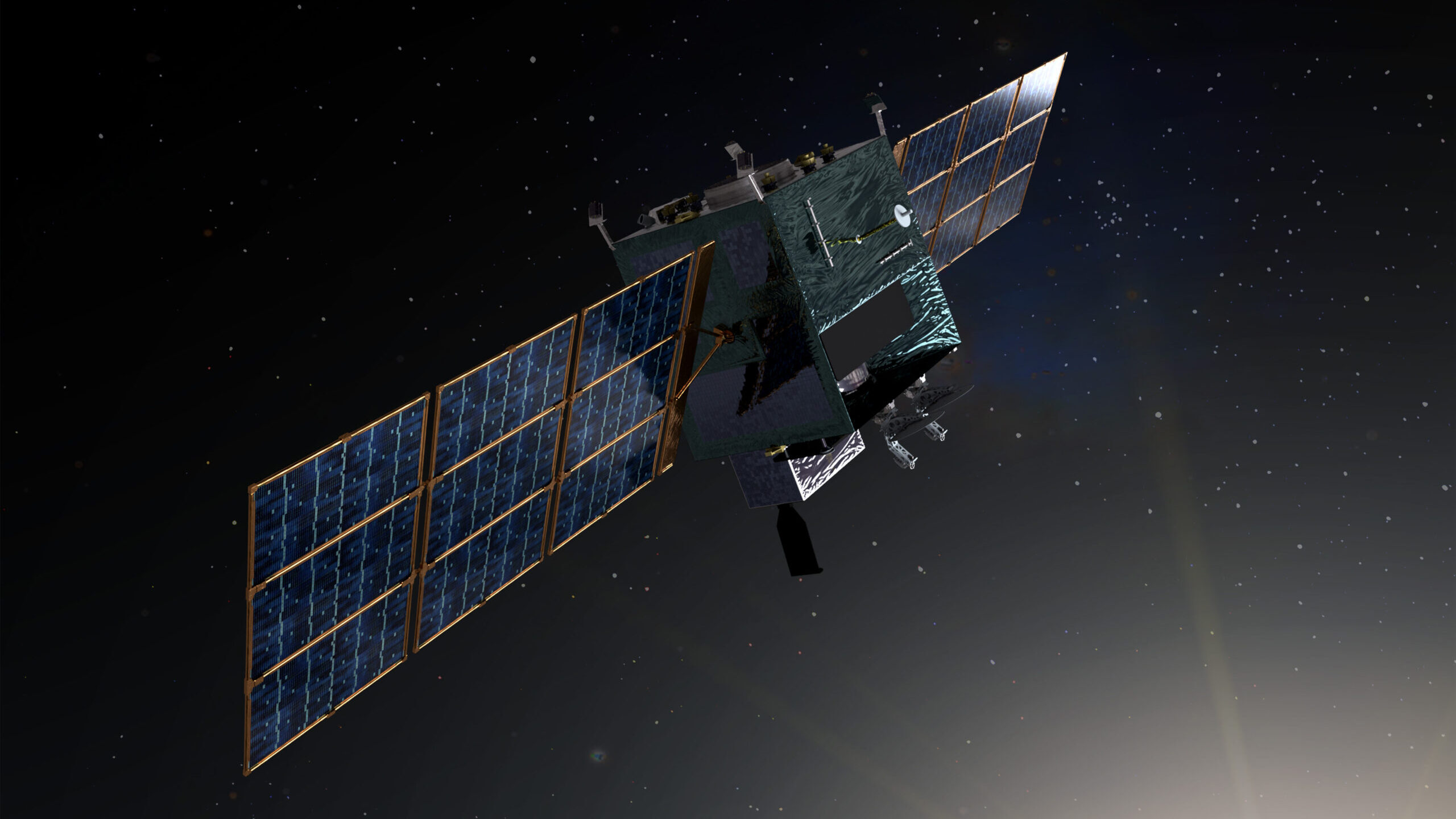
The move is part of a long-running effort by Space Systems Command to reorganize acquisition programs along mission area lines, syncing up with the structure of the service's main operational arm, Space Operations Command.

Denmark, Germany and the United Kingdom are all countries Northrop is pitching, or plans to pitch, on its Integrated Battle Command System.

Booz Allen and L3Harris initially joined forces to create the TOC-L prototype in its first phase in 2023.

ASGARD forms part of the British Army’s move to double lethality by 2027, triple it by 2030, and ultimately deliver a “tenfold increase in lethality” over the next decade.
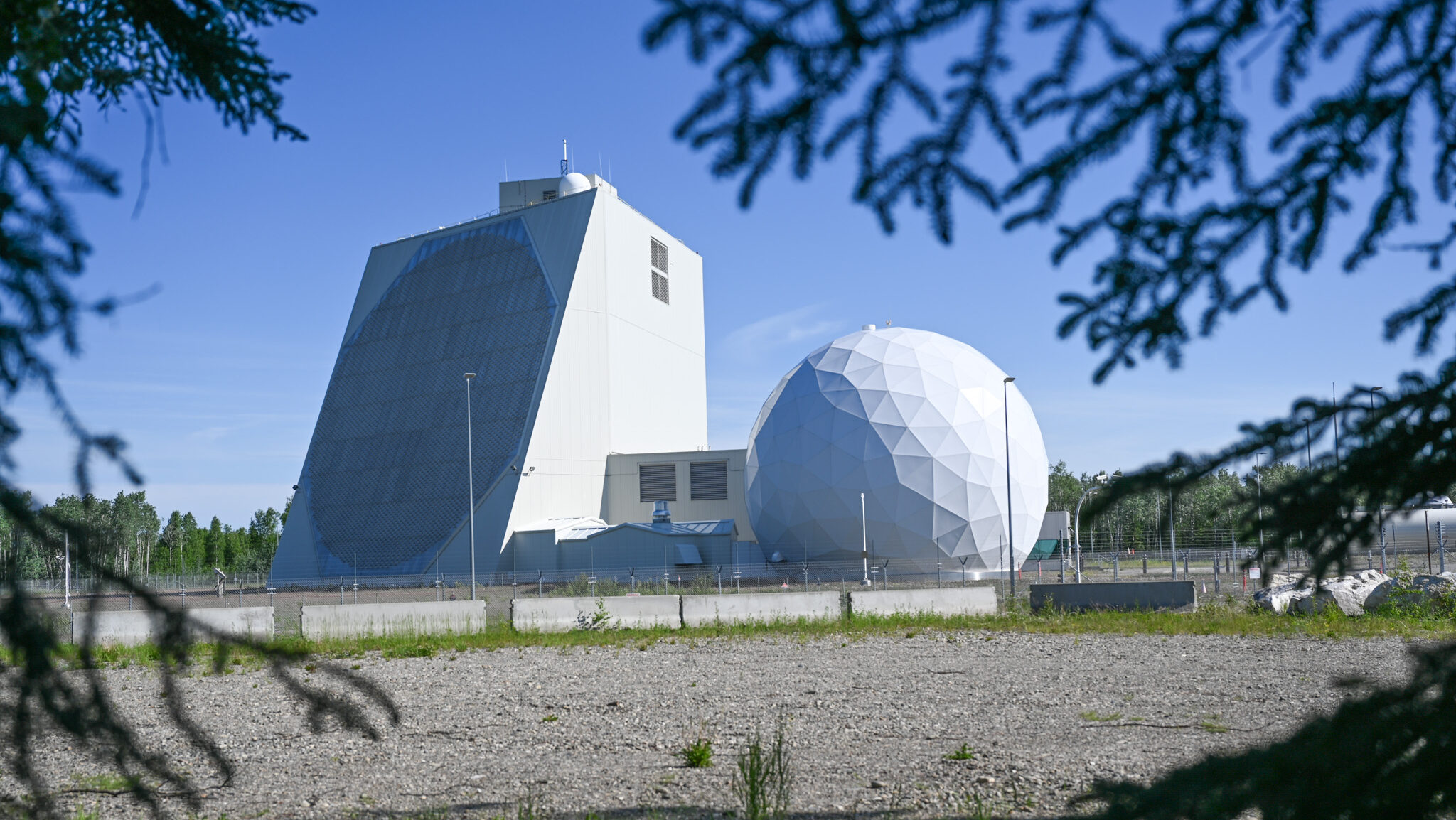
Passive sensors do not need to emit energy to find and fix targets, thus, they are harder for adversaries to find, track and target.

"NGC2 is not just a capability. It’s a blueprint for how we’ll deliver future Army systems,” Commander of Army Futures Command, Gen. James Rainey, said in the statement

In all, the estimated £1.89 billion ($2.57 billion) British E-7 program had completed a total of three test flights as of May, according to a parliamentary statement from Maria Eagle, UK defence procurement minister.

Japan plans to commission its two Aegis System Equipped Vessels in 2027 and 2028.

Executives from both Lockheed and Raytheon indicated interest in building a space-based interceptor, and hinted at their broad approaches to Golden Dome.